-
 One more thing… Goodbye from iMore
Time to power down for good.
-
-
 Best iPad for students in 2026: Get more done at school with a brand new Apple tablet
The best iPad for students is packed with features for all your education needs, and can be easily carried from class to class.
-
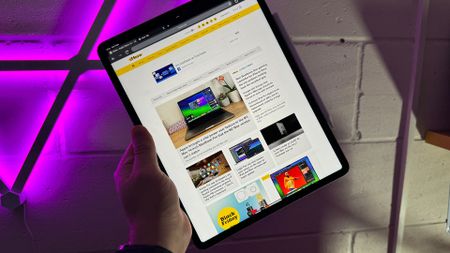 Which iPad storage size should you get in 2026?
Each iPad lineup offers different storage configurations, so let's run through all of them for you.
-
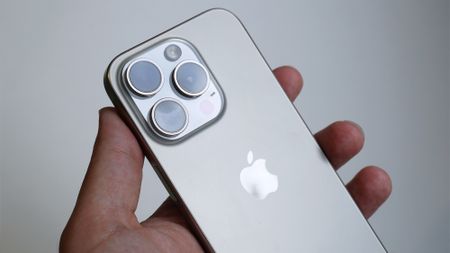 Is your iPhone not receiving pictures? Here's the fix!
Is your iPhone not receiving pictures? Luckily there are a couple of things to try to fix this annoying issue.
-

-
 Apple Watch Cellular vs GPS: What's the difference?
Trying to decide whether you need a GPS-only Apple Watch or a Cellular + GPS Apple Watch?
-
-
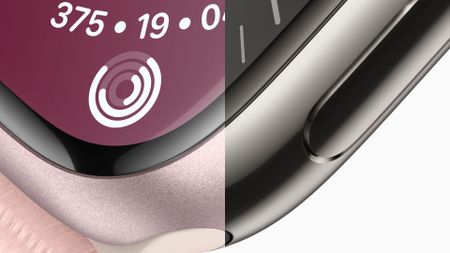 Aluminum vs. Stainless Steel Apple Watch: Which should you buy?
Here are all the pros and cons of the Aluminum and Stainless Steel Apple Watch models, including Series 9.
-
 Apple Watch 40mm vs. 44mm: Which Apple Watch size should you get?
Whether you're getting aluminum or steel, Nike or Hermès; Apple Watch Series 4, 5, 6, and SE models come in two sizes: 40mm and 44mm.
-
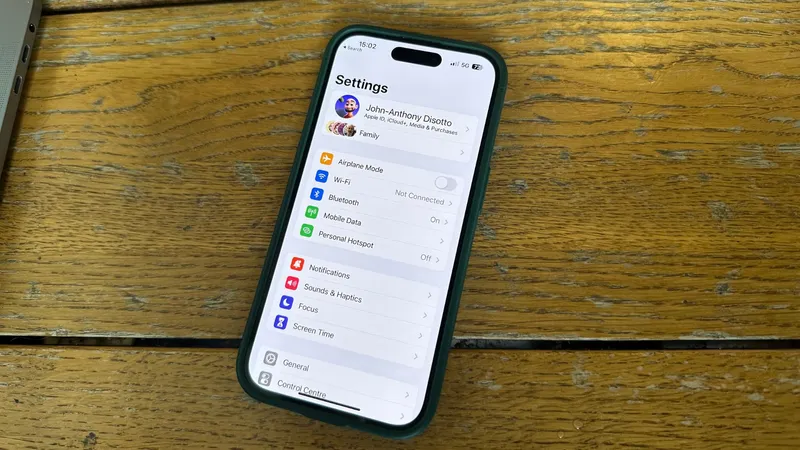
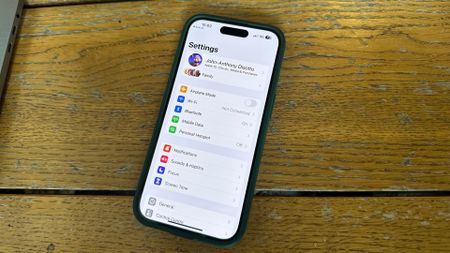 How to switch Apple ID
Want to switch between multiple Apple ID accounts on your iPhone, iPad, and Mac? Here's how to make it happen.
-

-
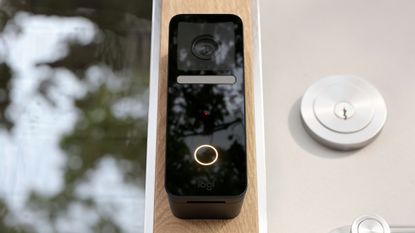 Best HomeKit video doorbells for the Home app
HomeKit video doorbells are a great way to keep an eye on your front door. These are the best HomeKit options available for the Home app.
-
-
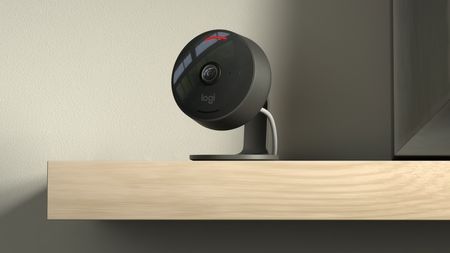 Best HomeKit cameras 2026
Find the perfect camera for your needs with our guide to the best HomeKit cameras for the Home app.
-
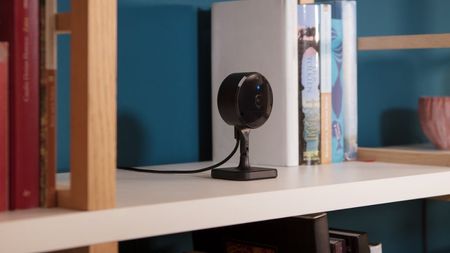 Every security camera with HomeKit Secure Video support in 2026
This guide will help show you the best HomeKit Secure Video-enabled cameras that support the latest HomeKit features.
-
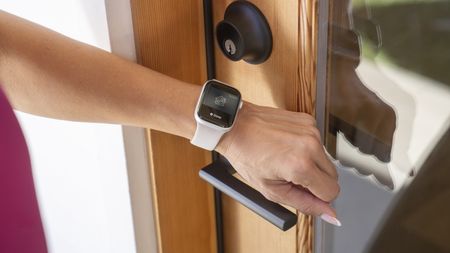 Best HomeKit door locks for the Home app in 2026
Say goodbye to your keys for good by installing a HomeKit door lock. Check out our guide to the best HomeKit door locks for the Home app.
-