• What's the best iPad?
• Set up your new iPad
• Best apps for that new iPad
• How to ace the Apple Pencil
Since Steve Jobs introduced the iPad in 2010, the tablet market has never been the same. It's so much more than a bigger iPhone; it's a portable workstation, a creative drawing tablet, and a fantastic way to view your favorite media. Thanks to iPadOS 17 -- and soon, iPadOS 18 -- the iPad helps you get anything you want done. Whether you're an M4 iPad Pro power-user or an iPad mini maven, there's never been a better time to get an iPad. iMore has all the advice you need to get the most out of Apple's tablet.
The current lineup
The iPad lineup is deep and wide, including Pro models with extra features, thin and powerful Air models, minis, and more. Here's the roster:

iPad Pro (2024, M4) More power, thanks to the M4 chip and a gorgeous new OLED display.
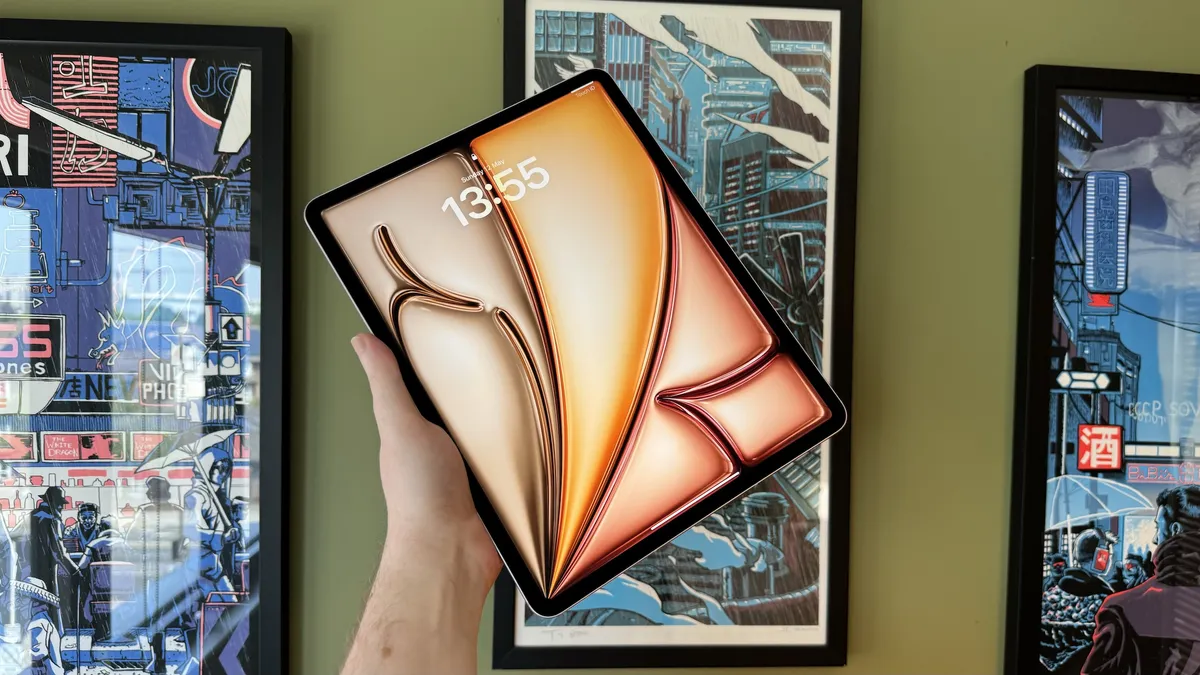
iPad Air (2024, M2) Power and performance without the "pro" price tag.

10.9-inch iPad (2022, A14 Bionic) A gorgeous new screen and refreshed design for a mid-range marvel.
How to troubleshoot iPad problems
iPad is an amazing computer, managing to be powerful, portable, and accessible all at the same time. If it's working. If it's giving you problems — if it's sluggish or stuck, won't power off or power back on, if the battery is draining fast or not charging properly — then it's a worthless hunk of metal and glass. Your first instinct might be to call Apple Support or visit the Genius Bar, but that all takes time. If you just want to get everything working again, here are some things you can try on your own right now!
Common iPad problems | Fix iPad battery issues | Fix AirDrop | Reset iPad
Latest about iPad

Apple has confirmed third-party app stores will be available on the iPad from tomorrow, September 16.

Apple's iPad 9 is on sale for just $199, a 40% discount on its original price.

The new iPad Magic Keyboard is very expensive — so Apple is looking at making a cheaper version, says Gurman.

In need of a great stylus for your iPad but don't want to pay the steep cost of an Apple Pencil? These great non-Apple stylus alternatives are just as good, if not better in some respects.

The entry-level iPad is back down to $299, it's lowest ever price.

Apple is running low on iPad mini stock, indicating that the company could be ready to release a new generation.

Plans to give free iPads to people who are "digitally excluded" in Scotland have been canceled so the money can be redirected to help avoid worker strikes.

Amid lots of design programs (including Adobe Photoshop) adding AI features, popular iPad design app Procreate promises that it will never introduce AI.
Despite Apple spending years trying to convince me to use an iPad, I found that a Kindle was what I needed all along.

The best iPad for students is packed with features for all your education needs, and can be easily carried from class to class.

The next iPad Air and iPad mini tablets could feature OLED displays, which could both debut as early as 2026.

Want to use headphones with your iPad Pro? Here are the best USB-C headphones options out there.

A new report shares that the iPad Pro is once again Apple's most popular iPad model, and the newest devices are proving even more popular.

The iPad mini 6 is now at its lowest-ever price at Amazon, making now the perfect time for an upgrade.

We each asked ourselves how a folding iPad would convince us to buy one - and the answers may surprise you.

Digital Foundry’s latest report on the M4 iPad Pro suggests it's an excellent gaming machine.

According to investor notes, Apple’s foldable iPad won’t arrive until 2026.

Review Click the iPad into place.